
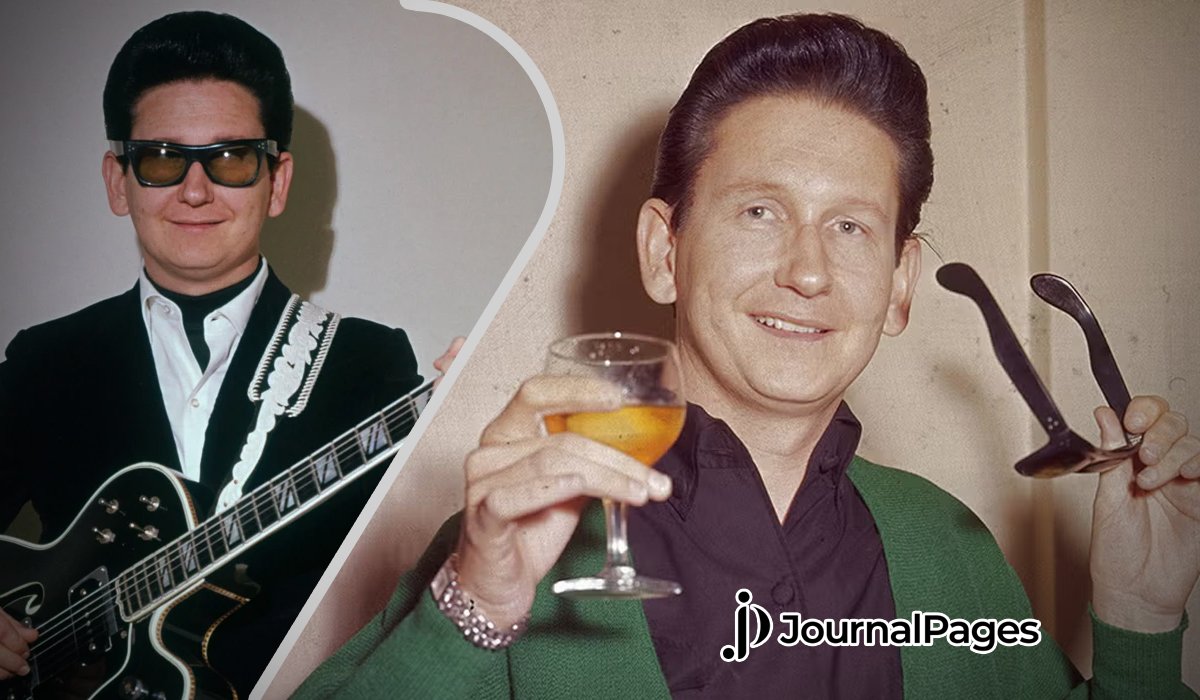
Roy Orbison’s Early Life and Musical Beginnings
Introduction to Roy Orbison: A Rock Legend
Roy Orbison, born on April 23, 1936, in Vernon, Texas, is a name that resonates with music lovers across the globe. Known for his hauntingly beautiful voice and unforgettable romantic ballads, Orbison’s music continues to inspire generations. From his rise to fame in the 1960s with iconic hits like “Oh, Pretty Woman” and “Crying,” to his tragic personal losses, Orbison’s journey is one of both incredible triumphs and profound heartache. In this article, we’ll explore his life, legacy, and why he remains one of the most respected names in rock music.
A Childhood Full of Music
Roy Kelton Orbison was born into a working-class family in Vernon, Texas, where he developed an early love for music. By the age of 6, he was already playing the guitar, gifted to him by his father. His early influences ranged from rockabilly and country to zydeco, Tex-Mex, and blues, shaping his distinctive sound. Orbison’s first songwriting experience came at the tender age of 8 when he penned his first song, “A Vow of Love.”
Forming The Teen Kings and Early Career
At 13, Orbison formed his first band, The Teen Kings, and began performing locally. After catching the attention of legendary producer Sam Phillips at Sun Records, Orbison recorded the song “Ooby Dooby,” which eventually became his first minor hit. This marked the beginning of a long and influential career in the music industry.
Roy Orbison’s Rise to Stardom
Signing with Monument Records
In 1960, Orbison signed with Monument Records and began shaping the sound that would define his career. His big break came with the release of “Only the Lonely,” a song that reached No. 2 on the Billboard charts. The song’s operatic style, combined with Orbison’s powerful, three-octave voice, set him apart from his contemporaries and marked the start of a string of hits.
Iconic Hits: “Oh, Pretty Woman” and More
Throughout the 1960s, Orbison recorded numerous hits, many of which are still celebrated today. Songs like “Running Scared,” “Crying,” “It’s Over,” and “Oh, Pretty Woman” not only topped the charts but also established him as a master of ballads and pop rock. His unique style—characterized by his soaring vocal range and unconventional song structures—redefined what it meant to be a pop singer.
The Unlikely Rock Star: Roy Orbison’s Persona
A Shy and Unassuming Stage Presence
Despite his musical success, Orbison was anything but the typical rock star. His style was unassuming; he dressed simply and was known for his shy, almost lifeless stage presence. In fact, some fans found his performance style a bit peculiar, with George Harrison describing him as “like marble” on stage. However, Orbison’s lack of flamboyance only added to his allure, allowing his voice to take center stage.
The Trademark Sunglasses
In a twist of fate, Orbison’s now-iconic sunglasses were born out of an unfortunate accident. During a 1963 tour with The Beatles, Orbison left his glasses on a plane, forcing him to wear his prescription sunglasses during a performance. While he initially found this embarrassing, the look quickly became his trademark, cementing his status as one of the most distinctive figures in rock music.
Tragedy Strikes: Personal Losses and Career Struggles
The Death of His Wife and Sons
While Orbison’s music career soared, his personal life was marked by immense tragedy. In 1966, his wife, Claudette, was killed in a motorcycle accident. Just two years later, his two eldest sons died in a house fire. These devastating losses took a toll on Orbison, leading to a period of personal and professional struggles. His music, once a vehicle for his vulnerability and emotions, seemed to lose its appeal in the wake of these tragedies.
Decline in Popularity
By the late 1960s, the rise of psychedelic rock and changing musical tastes led to a decline in Orbison’s commercial success. Despite continuing to release albums, he struggled to regain the same level of popularity he had enjoyed earlier in the decade. By the mid-1970s, he stopped recording music altogether.
Roy Orbison’s Comeback: The 1980s and Beyond
A Revival in the 1980s
In the 1980s, Orbison made a remarkable comeback. He joined the Eagles on their “Hotel California” tour, and in 1980, he recorded a Grammy-winning duet with Emmylou Harris, “That Lovin’ You Feeling Again.” His classic hits like “Oh, Pretty Woman” were also revived, with Van Halen covering the song in 1982, introducing Orbison to a new generation of rock fans.
Joining The Traveling Wilburys
One of the most significant moments in Orbison’s late career was his involvement in The Traveling Wilburys, an all-star supergroup consisting of Bob Dylan, George Harrison, Tom Petty, Jeff Lynne, and Orbison himself. The group’s debut album, released in 1988, was met with critical and commercial success, marking Orbison’s return to the spotlight.
Roy Orbison’s Last Days and Legacy
Mystery Girl and His Untimely Death
Orbison’s final studio album, Mystery Girl, was released posthumously in 1989, just months after his death from a heart attack on December 6, 1988. The album reached No. 5 on the charts, becoming the highest-charting solo album of his career. While his life was tragically short—he was only 52 when he died—Orbison’s legacy lived on through his music, his powerful voice, and the indelible mark he left on rock and pop.
Induction into the Rock and Roll Hall of Fame
In 1987, Orbison was inducted into the Rock and Roll Hall of Fame, solidifying his place among the greatest musicians of all time. His influence continues to be felt across genres, from rock and pop to country and beyond.
Roy Orbison: The Voice that Still Echoes Today
Enduring Influence on Music
Roy Orbison’s music continues to influence contemporary artists and songwriters. His ability to express deep emotion through his lyrics and vocals has made him a timeless figure in popular music. From his iconic ballads to his unforgettable performances, Orbison’s voice remains one of the most cherished in music history.
Conclusion: Roy Orbison’s Lasting Legacy
Roy Orbison’s legacy is that of a true artist whose music transcended the conventional boundaries of pop and rock. His unique voice, emotional depth, and unassuming stage presence set him apart from other rock stars of his era. Though his life was marked by tragedy, his contributions to music remain unparalleled. Roy Orbison is, and will always be, remembered as one of the greatest musicians to ever grace the stage.
FAQs about Roy Orbison
1. What is Roy Orbison most famous for?
Roy Orbison is most famous for his romantic ballads like “Oh, Pretty Woman,” “Crying,” and “It’s Over.” His powerful, operatic voice and unique songwriting style set him apart in the 1960s rock scene.
2. How did Roy Orbison influence other musicians?
Orbison’s emotional depth and vocal style have influenced countless artists, including Bruce Springsteen, Tom Petty, and Elvis Presley, who once called him “the greatest singer in the world.”
3. When did Roy Orbison die?
Roy Orbison passed away on December 6, 1988, from a heart attack. His legacy continues through his music, which remains beloved worldwide.
For more amazing News Visit : JournalPages